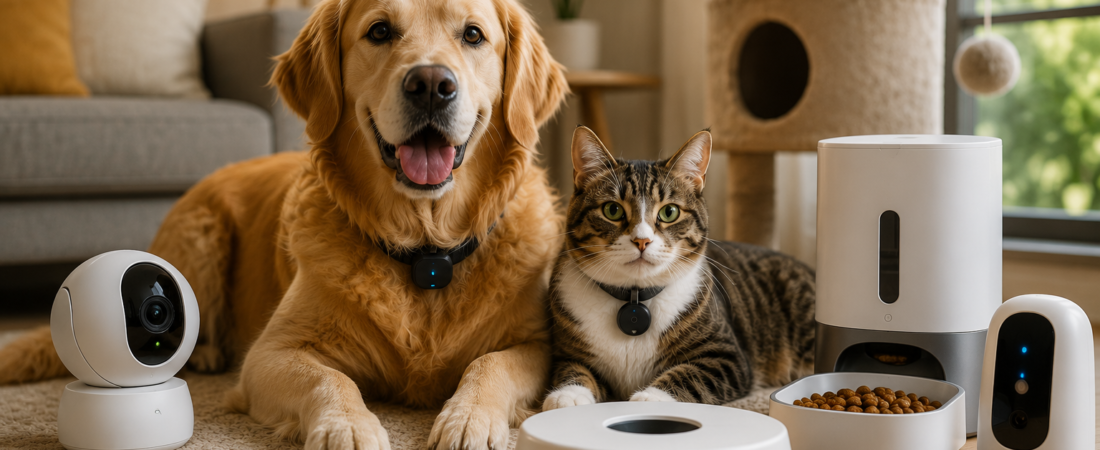
The pet technology market has exploded in recent years. By 2026, there will be gadgets for virtually every aspect of pet care: feeding, hydration, health, exercise, monitoring, communication, and even emotional well-being. The problem is that not everything on the market is worth buying.
In this guide we separate the wheat from the chaff: we tell you which technologies really make a difference in the daily life of a pet and its owner, with concrete recommendations and updated prices.
Food technology: automate what takes up the most time.
Feeding is the area where technology offers the most immediate value for pet owners. A WiFi-enabled automatic feeder like the Petlibro Granary (€55-70) ensures your dog or cat eats on time, even if you’re having an unpredictable day. Program multiple feedings, adjust portions from your phone, and receive alerts if the food bowl runs empty.
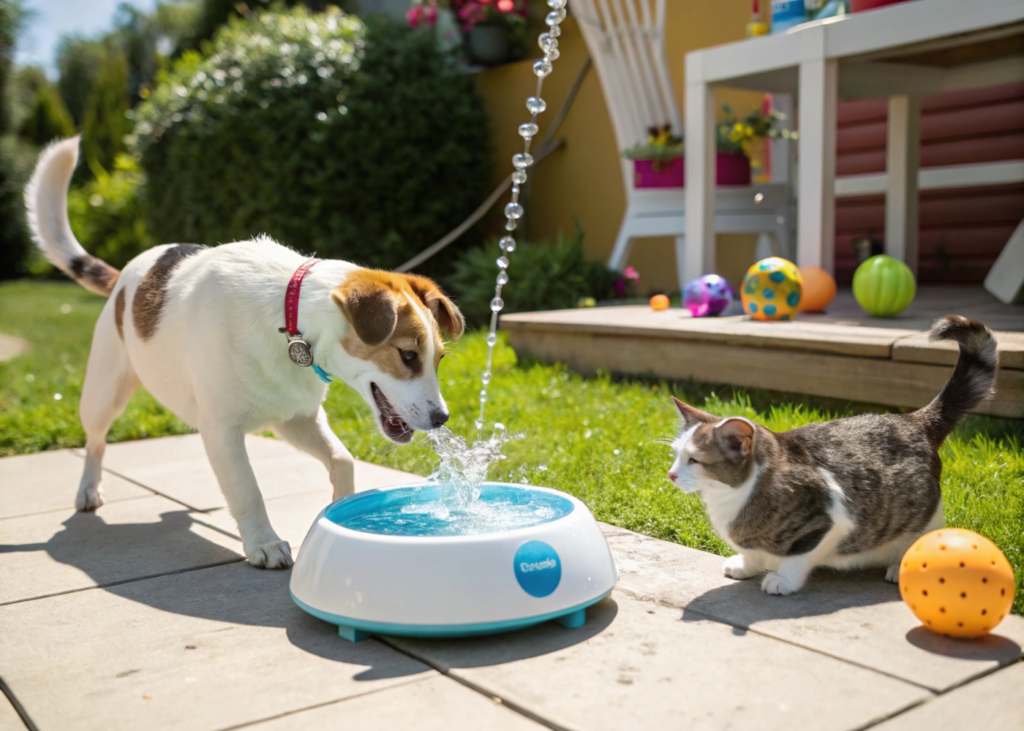
For hydration, smart water fountains with water level and quality sensors, such as the Petkit Eversweet 3 Pro (€45-70), are especially useful for cats, who are prone to kidney problems from chronic dehydration. The app tracks daily consumption and alerts you if your cat is drinking less than usual, an early sign of potential health issues.
Health technology: detects problems before they become serious
This is the area where pet technology has advanced the most in 2026. Animal health wearables allow for continuous monitoring of vital signs, sleep patterns, activity levels, and behavior.
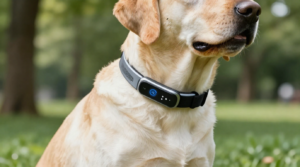
Smart collars with health monitoring
The Invoxia Pet Tracker is one of the most advanced: in addition to GPS, it incorporates sensors that detect the animal’s heart and respiratory rate in real time. AI analyzes the data and can alert you to abnormalities before the animal shows visible symptoms. Price: €80-100 plus subscription.
The Fi Series 3 (€150 plus annual subscription) is the most accurate in activity monitoring: it counts steps, detects the type of activity (play, walk, rest) and compares the data with dogs of the same breed and age to give personalized recommendations.
Smart pet scales
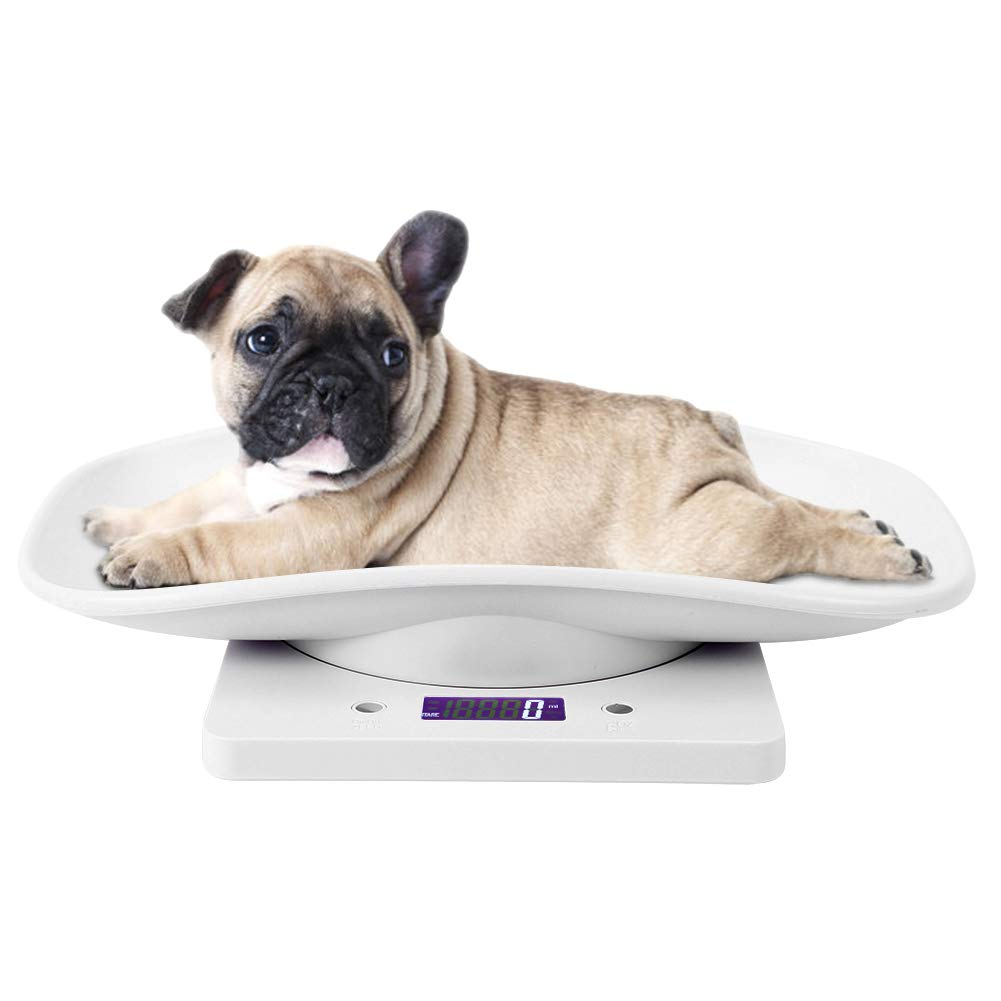
Weight monitoring is essential for tracking the health of any animal. Smart scales like the Petkit P2 (€30-40) allow you to automatically weigh your pet every time they step on it and record their weight history in an app. This is a must-have for animals on controlled diets or in recovery.
Portable urine analyzers
One of the most innovative gadgets in the sector: the Petnostics Home Test (20-30€ kit) allows you to analyze your pet’s urine at home with test strips that are read using your mobile phone’s camera. It detects possible urinary tract infections, diabetes, or kidney problems in minutes, before you need to go to the vet.
Technology for security and location
We have already discussed GPS for dogs in depth in another article on this blog, but it is worth highlighting the more specific use cases.
For cats that go outdoors, the Tractive GPS Cat Tracker is the most popular solution: it weighs only 25 grams, has a 5-7 day battery life, and is waterproof. For small breeds or kittens, the lightest option is the Weenect Cats 2, which weighs less than 20 grams.
Smart pet doors like the SureFlap Microchip Pet Door Connect (€120-160) add an important layer of security: they only open for your pet’s microchip, preventing stray animals or neighbors’ pets from entering. You can lock it at specific times from your mobile phone.
Technology for entertainment and emotional well-being
Separation anxiety is one of the most common problems in dogs that spend many hours alone. Technology can help alleviate it in several ways.
Cameras with interaction
The Furbo 360° (€150-200) is more than just a security camera: its remote treat dispenser lets you interact with your dog from your phone, strengthening your bond even when you’re at work. Bark detection sends alerts when your dog has been stressed for too long.
Automatic interactive toys
Automatic toys like the SureFlap Sure Petcare or the Cheerble Wicked Ball (€25-40) move autonomously to keep cats active for hours without human intervention. For dogs, interactive treat dispensers like the Kong Wobbler provide extended cognitive entertainment.
Television and music for pets
Platforms like DogTV or Spotify playlists for pets have been shown in studies to reduce stress in animals left alone. You can automate your TV to turn on when you leave home and turn off when you return using a smart plug and Alexa or Google Home.
Technology for hygiene
The automatic litter box is one of the most highly valued gadgets for cat owners. Models like the Litter-Robot 4 (€500-€600) clean the litter box automatically after each use, eliminating the need for daily cleaning and sending alerts if it detects changes in usage behavior that could indicate health problems. It’s expensive, but anyone who owns one wouldn’t go back to a manual litter box.
For a more affordable alternative, the PetSafe ScoopFree (€150-200) uses disposable crystal sand trays that self-seal and need to be changed every 20-30 days. Much more practical than cleaning the litter box daily.
Essential mobile apps for pet owners
- Vetster: video consultations with veterinarians available 24/7 without leaving home.
- PetDesk: manage veterinary appointments, vaccination reminders, and medical history.
- Dogo (dogs) / TabbyCat (cats): AI training and routine tracking.
- BarkHappy: a social network for dogs with a map of parks, events, and dog-friendly venues.
- Nom Nom: fresh pet food service with plans customized by veterinary nutritionists.
Is all this technology worth it?
Pet technology has varying levels of value. Automatic feeders, GPS trackers, and cameras are gadgets with immediate practical use that most active owners appreciate from day one. Health wearables are especially useful for older animals or those with chronic conditions.
Entertainment toys and automatic litter boxes are more about comfort: they improve quality of life but aren’t essential. And some more exotic gadgets (like urine analyzers or heart rate monitor collars) have a more specific target audience but can be invaluable in certain situations.
Conclusion
By 2026, pet technology will have reached a level of maturity and accessibility where virtually any aspect of animal care can be improved with a well-chosen gadget. The key is to identify your pet’s actual needs and your lifestyle, and choose the technology that solves those specific problems, not just the one that looks most impressive in the advertisement.
Frequently asked questions
What tech gadget is most useful for a pet owner who works outside all day?
The automatic feeder and interactive camera combo is the most popular choice for owners who spend many hours away from home. It ensures feeding times and allows you to see and interact with your pet throughout the day.
Can technology replace veterinary care?
No, and you shouldn’t try. Health monitoring devices are early detection and tracking tools, not diagnostic tools. If any abnormality is detected by a wearable or sensor, a veterinary consultation remains essential.
Are there any technological gadgets for reptiles, birds, or rodents?
Yes, although the market is much smaller. For reptiles, there are smart thermostats and humidity controllers with apps. For birds, there are adapted automatic feeders. For rodents, there are wheels with activity counters and automated lighting systems to simulate day-night cycles.
What’s the most expensive tech gadget worth having for a pet?
The Litter-Robot 4 (€500-€600) for cats and the Tractive GPS tracker with annual subscription for dogs are the best value premium gadgets. For animals with health problems, heart rate monitoring collars like the Invoxia may be the most important investment of all.
Posts relacionados
GPS for dogs: a complete guide
May 26 , 2026
Losing a dog is one of the most distressing experiences a pet owner can go through. A moment of inattention,…
Read moreWearable devices for pets: the best collars and smart health devices in 2026
June 8 , 2026
The wearables revolution, those devices we wear on our wrists to measure steps, heart rate and sleep quality, has arrived…
Read more