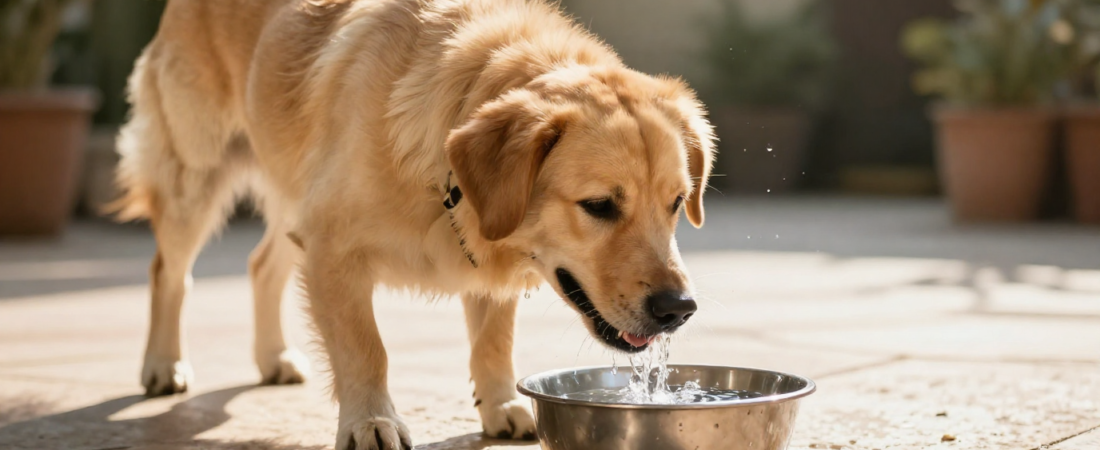
Water is the most important nutrient for any living being, and pets are no exception. However, chronic dehydration is one of the most silent and frequent health problems in domestic dogs and cats. It doesn’t always manifest with obvious symptoms until the damage is significant, especially in cats, which have a naturally low hydration instinct.
Understanding why your pet isn’t drinking enough and how to motivate them to do so can make a real difference to their long-term health, especially in preventing kidney and urinary tract diseases.
How much water does a pet really need?
The general rule for dogs is approximately 50-60 ml of water per kilogram of body weight per day under normal conditions. A 10 kg dog needs between 500 and 600 ml daily. This amount increases with heat, physical exercise, dry food, or lactation.
Cats need around 44-66 ml per kilogram of body weight per day. A 4 kg cat should drink between 175 and 265 ml daily. The problem is that cats are descended from desert felines that obtained most of their hydration from the prey they hunted, and their thirst mechanism is not as developed as that of dogs. A cat can be dehydrated without clearly feeling thirsty.
Signs of dehydration in pets
Skinfold test
Gently pinch the skin in the neck area or between the shoulder blades and release it. In a well-hydrated animal, the skin will immediately return to its position. If it takes more than two seconds to return to its normal position, dehydration may be present.
Other indicators
- Sticky or dry gums instead of moist and shiny.
- Sunken or dull-looking eyes.
- Unusual lethargy and lack of energy.
- Highly concentrated urine of dark color with a strong odor.
- Loss of appetite.
- In cats: reduction in the frequency of visits to the litter box.
Why don’t cats drink enough?
Cats have an evolutionary predisposition to obtain water from their food. In the wild, prey contains between 65% and 75% water. A cat that eats exclusively dry food receives a diet with only 8-10% moisture, far below what its renal system is designed to handle.
Furthermore, cats are extremely sensitive to water quality. They reject chlorinated water, water from a bowl that tastes like plastic, or water that has been stagnant for hours. Many prefer running water to water from a bowl, which explains their classic behavior of drinking from the tap.
Practical solutions to improve hydration
Pet water fountains
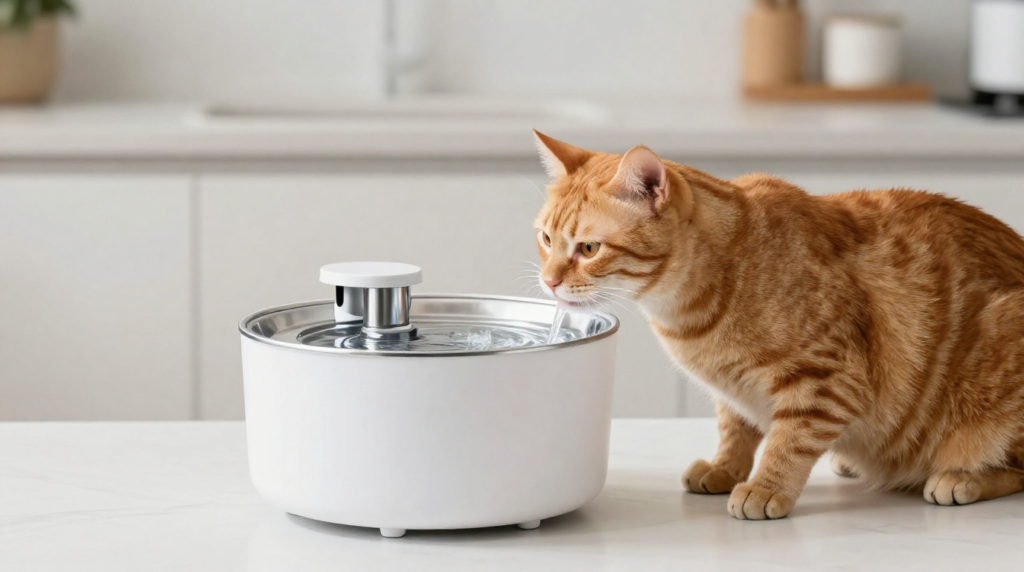
Circulating water fountains are the most effective solution for cats that dislike stagnant water. The movement of the water oxygenates it, removes chlorine more quickly, and makes it much more appealing to felines. Models like the Petkit Eversweet or the Catit Flower Fountain have been shown to increase water consumption in cats by 30-50%, according to studies conducted by the brands themselves.
Position and number of drinking troughs
Place water bowls in multiple locations around the house, away from the food bowl. Cats, by survival instinct, prefer not to drink near where they eat, because in nature water sources near prey can be contaminated. If you have a multi-story house, place one water bowl on each floor.
Add water to the food
The easiest way to increase hydration is to incorporate wet food into the diet. Wet food contains between 70% and 80% water. Replacing one of the two daily meals with a can or pouch of wet food can triple the water intake of a cat that eats only dry food.
Chicken broth without salt or additives
A small splash of unsalted homemade chicken broth added to their water or mixed with their food can encourage reluctant animals to drink more. Make sure the broth doesn’t contain onion, garlic, or salt.
When to go to the vet
If you notice that your pet hasn’t drunk for more than 24 hours, shows signs of moderate or severe dehydration, is vomiting and unable to keep fluids down, or if you notice a sudden change in their drinking habits, consult your veterinarian immediately. Severe dehydration may require intravenous fluid therapy.
Conclusion
Proper hydration is one of the most underrated keys to pet health. With small changes like adding wet food, installing a circulating water fountain, and placing water bowls in strategic locations, you can significantly improve your dog or cat’s kidney health and overall well-being.
Frequently asked questions
Can I give my pet water with electrolytes?
Only under veterinary supervision. Human electrolyte solutions may contain sugars or sodium in concentrations unsuitable for animals. Specific veterinary electrolyte solutions are available for cases of dehydration.
Is tap water safe for pets?
In most Spanish cities, yes. However, the chlorine and minerals in hard water can make it less appealing to cats. A water filter pitcher or letting the water sit for a few hours before offering it can improve its acceptance.
Does my dog drink too much water? Could that be bad?
Polydipsia, or excessive thirst, can be a symptom of diabetes, Cushing’s disease, kidney failure, or a urinary tract infection. If your pet is drinking unusually large amounts of water, consult your veterinarian.
Do puppies need more water than adults?
Yes, growing puppies have proportionally higher hydration needs than adult puppies. They are also more vulnerable to dehydration from diarrhea or vomiting. Make sure they always have clean water available.
Posts relacionados
Toxic foods for dogs and cats: the complete list every owner should know
June 7 , 2026
Every year, thousands of pets in Spain and Europe are admitted to veterinary emergency rooms after ingesting household foods that…
Read moreBARF diet for dogs and cats: what it is, benefits and how to get started in 2026

June 7 , 2026
If you've ever wondered if there's anything better than kibble to feed your dog or cat, you've probably come across…
Read more